A 72-Year-Old Grandmother From Anambra Shares the Forgotten Igbo Foods Our Elders Used to Keep Blood Sugar Steady — Long Before Pharmacy Drugs Came to the Village
12 June 2025 — posted by Admin
If you are a Nigerian living with type 2 diabetes, I want you to do something for me before you read any further.
Stop whatever you are doing.
Put down your phone for a second. Take a breath. Because what I am about to share with you is something I have watched change lives — quietly, in kitchens, in compounds, in villages where nobody has ever called it "medicine."
You already know the feeling I am talking about.
That heaviness when you wake up. Is my sugar high again today?
That moment at a family gathering when everyone is eating jollof rice, pounded yam, and you are sitting there with your small portion, feeling like an outsider in your own celebration.
The monthly trip to buy medication that never seems to get cheaper — and never seems to fully work either.
The fear, late at night, that you whisper to no one. What if this gets worse? What if I lose my sight, my legs, my independence?
The frustration of diet sheets from the hospital that talk about foods you have never cooked in your life. Quinoa. Kale. Cottage cheese. Where will I see this in Onitsha market?
The quiet shame of telling people you "can't eat that" — and watching their faces, knowing they are thinking about your health, your body, your mortality.
If any of this sounds like your life, I need you to drop everything you are doing now and listen to every word I'm about to share with you.
Because I'm about to share with you something our grandmothers knew about food and blood sugar — long before any of us had ever heard the word "diabetes" — and what modern research is only now beginning to confirm.
Our grandmothers did not have glucose monitors. They did not have endocrinologists. But they had something else — generations of careful observation about which foods kept the body steady, and which foods caused trouble.
This knowledge was never written down in a hospital file. It was passed quietly — from a mother to a daughter, from an aunt to a niece, over a pot of soup, in conversations most of us were too young to fully appreciate at the time.
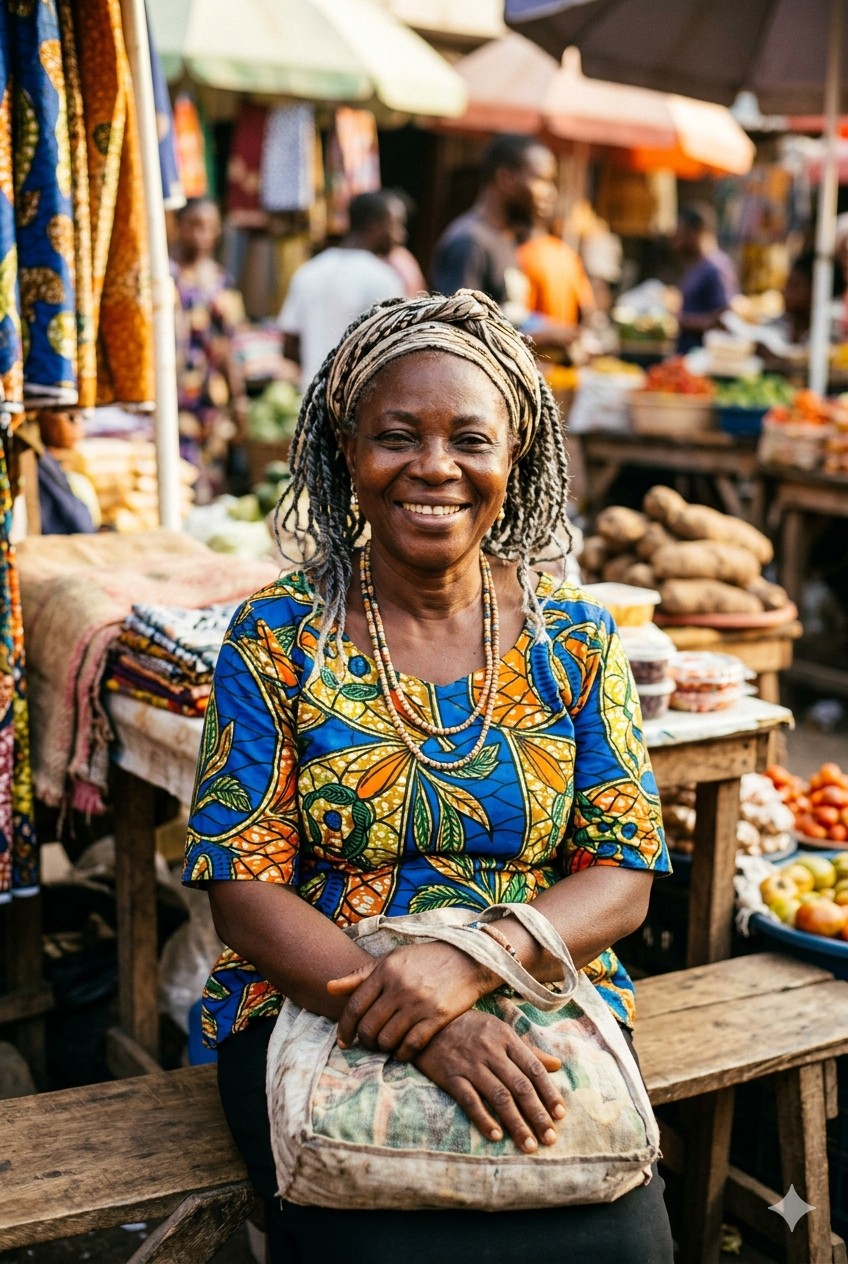
My name is Ngozi Nwankwo. I am 72 years old, and I am from Awka, in Anambra State.
The first thing I want you to know about me is this: I am not a doctor. I am not a nutritionist. I have no certificate on my wall. I am simply a grandmother who has spent her whole life paying attention to food, to the body, and to the wisdom that was handed down to me — and who has watched, over many years, what works and what does not.
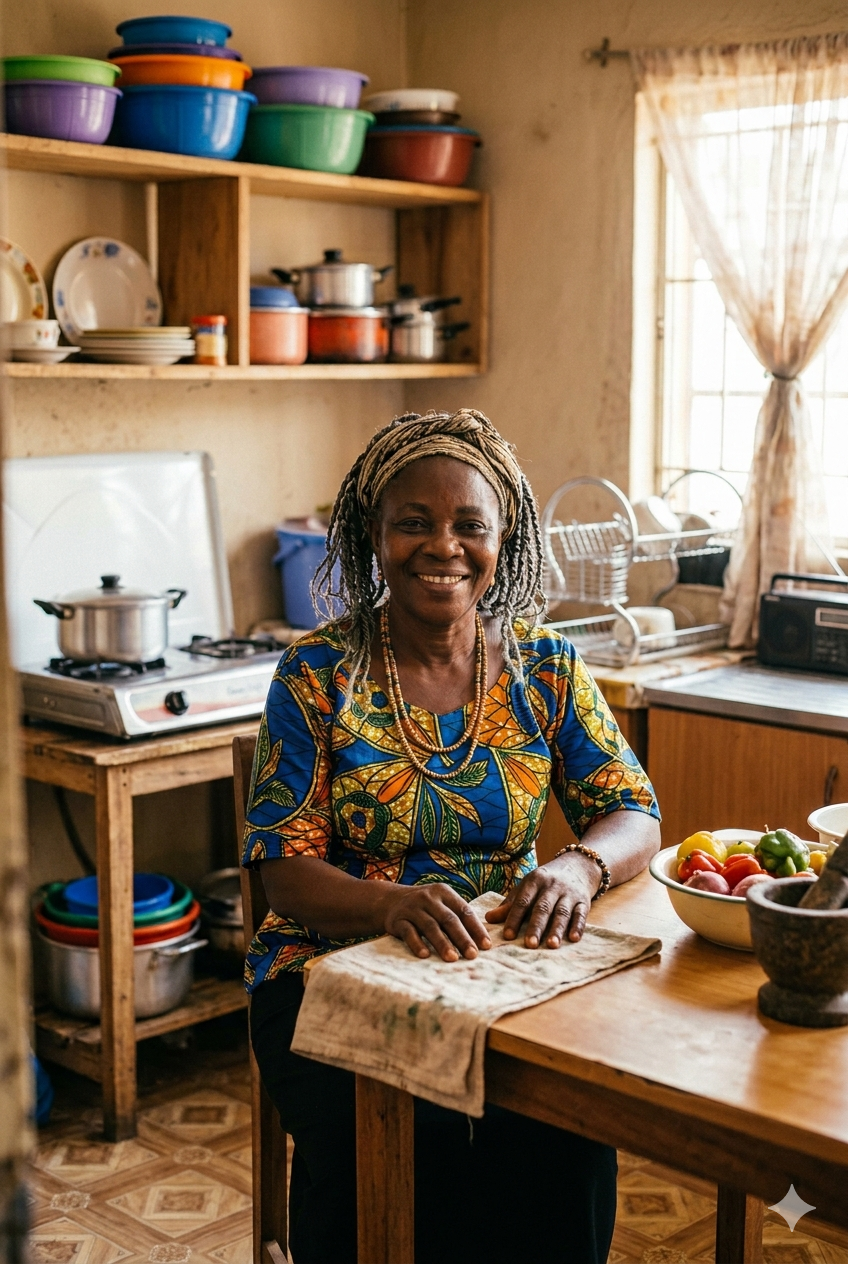
It started with my own husband.
Pius — my husband, may his soul rest — was diagnosed with high blood sugar in his late fifties. This was over twenty years ago. The doctor in Awka gave him a list of foods to avoid, and a prescription, and sent him home.
The list of foods to avoid was almost everything he had eaten his entire life. Garri. Pounded yam. Rice. Even some of the soups his mother used to make.
He tried to follow it. For a while. But you cannot simply tell a Nigerian man in his fifties to stop eating the food of his ancestors and expect that to last.
Within months, he was back to his old habits — and his sugar levels were worse, not better.
That was when the worry truly began.
I remember sitting with him one evening, watching him struggle to walk to the gate and back, something that used to take him no effort at all. I felt completely helpless. I had spent my whole life cooking for this man, feeding this family — and now the very food I loved to prepare felt like it was working against him.
My older sister, Adaeze, came to visit not long after. She had lived through something similar with her own husband years before. She sat with me in the kitchen and said something I have never forgotten:
"Ngozi, the hospital will give him pills. That is good. But pills alone were never how our people managed these things. Go back to what your mother used to put in the pot. The answer is not in throwing away everything you know — it is in remembering what you have forgotten."
I did not fully understand what she meant at first. But it stayed with me.
So I started trying things.
I tried simply reducing his portions of garri and rice — but that alone did not seem to make a real difference, and he was constantly hungry and irritable.
I tried some of the "diabetic teas" that were being sold around the market at the time — they were expensive, and after weeks of buying them, I could not honestly say they were doing anything at all.
I tried following a printed diet sheet a neighbour gave me, copied from a foreign magazine — it called for foods that simply were not available to us, and within a week I had given up on it.
I tried adding more "bitter" foods to his meals because someone said bitterness was good for sugar — but I was doing it randomly, with no real understanding of quantities, timing, or preparation, so the results were inconsistent at best.
I even tried a herbal mixture from a seller at the market who promised it would "cure" him completely — it did nothing except cost us money we did not have to spare.
Then came the gathering that changed everything.
It was at a family event in our village — a memorial gathering for one of our elders. There were many older women there, the kind of women who had raised large families and buried husbands and seen everything life could throw at a person.
I found myself sitting with three of them during a quiet moment, and somehow the conversation turned to health — as it often does among women our age.
One of them, a woman named Mama Adanma, who must have been in her eighties at the time, listened to me describe what we had been going through with Pius. She nodded slowly, the way only someone who has truly lived can nod.
"Ngozi," she said, "all these things you are trying — the teas, the foreign diet sheets — forget them. They were not made with our bodies in mind, and the people selling them do not know your husband. What you need is simpler than you think. It is in your kitchen already. It has always been there. We just stopped paying attention to it."
She then began to explain — patiently, the way an elder explains things to someone they care about — which everyday Igbo foods and leaves had, for generations, been understood to help "steady the body" for people whose sugar ran high. Not as a miracle. Not as an overnight fix. But as a way of eating, prepared correctly, consistently, that worked *with* the body rather than against it.
She talked about specific leaves. Specific preparations. How certain foods that everyone assumes are "bad" for diabetics can actually be prepared in ways that make them part of the solution. How timing — when you eat something, and what you eat it with — matters as much as what you eat.
I will be honest with you — at first, I was skeptical.
It sounded almost too simple. We had spent so much money on teas and pills and printed diet sheets, and here was this woman telling me the answer was sitting in my own kitchen, in foods I had cooked my whole life?
But I had nothing left to lose. So I went home, and I started — carefully, the way Mama Adanma had described.
The first few days, nothing seemed to happen.
Pius grumbled. He said the meals tasted different. I almost gave up more than once, wondering if I had wasted my time again.
But by around the second week, something shifted. He started sleeping through the night without getting up three or four times. He had more energy in the mornings — enough that he started walking to the gate again without stopping to rest halfway.
The real test came when his sister visited.
She had not seen him in almost two months. When she walked in and saw him sitting up, alert, joking the way he used to, she stopped in the doorway and said, "Pius, kedu ihe i mere? You look like yourself again. What has changed?"
He looked at me and smiled. "Ask your sister-in-law. She has been doing something in that kitchen."
Word started to spread quietly after that.
A woman from our church, whose mother had been struggling for years with high sugar, asked me to explain what I had done. I sat with her for almost two hours, going through everything — the leaves, the preparations, the timing, the things to avoid and why.
A man from our compound, a retired teacher, tried it for his own condition. A few weeks later he stopped me on the road just to say, "Mama Ngozi, whatever you told my wife to do — it is working. My energy has come back."
Another woman, a cousin from a neighbouring village, started using it for her mother, who was in her seventies and had been struggling for years. She told me later that her mother's appetite had improved, and she seemed brighter, more like herself.
Over the years, I kept sharing this with people who asked — one conversation at a time, the same way Mama Adanma shared it with me. But I am 72 now. I cannot sit with every single person who needs this. My knees are not what they used to be, and the journeys are harder.
So my grandson — who is good with computers and these things — suggested we put everything down in writing. Not just what Mama Adanma told me, but everything I have learned and refined over more than twenty years of preparing food this way for my own family and for the people who came to me for help.
I put everything — the foods, the preparations, the timing, what to avoid, how to build it into your daily life without feeling like you are "on a diet" — into one simple guide. So that anyone, anywhere, even if they never get the chance to sit with an elder like Mama Adanma, can have access to this knowledge.
Introducing...
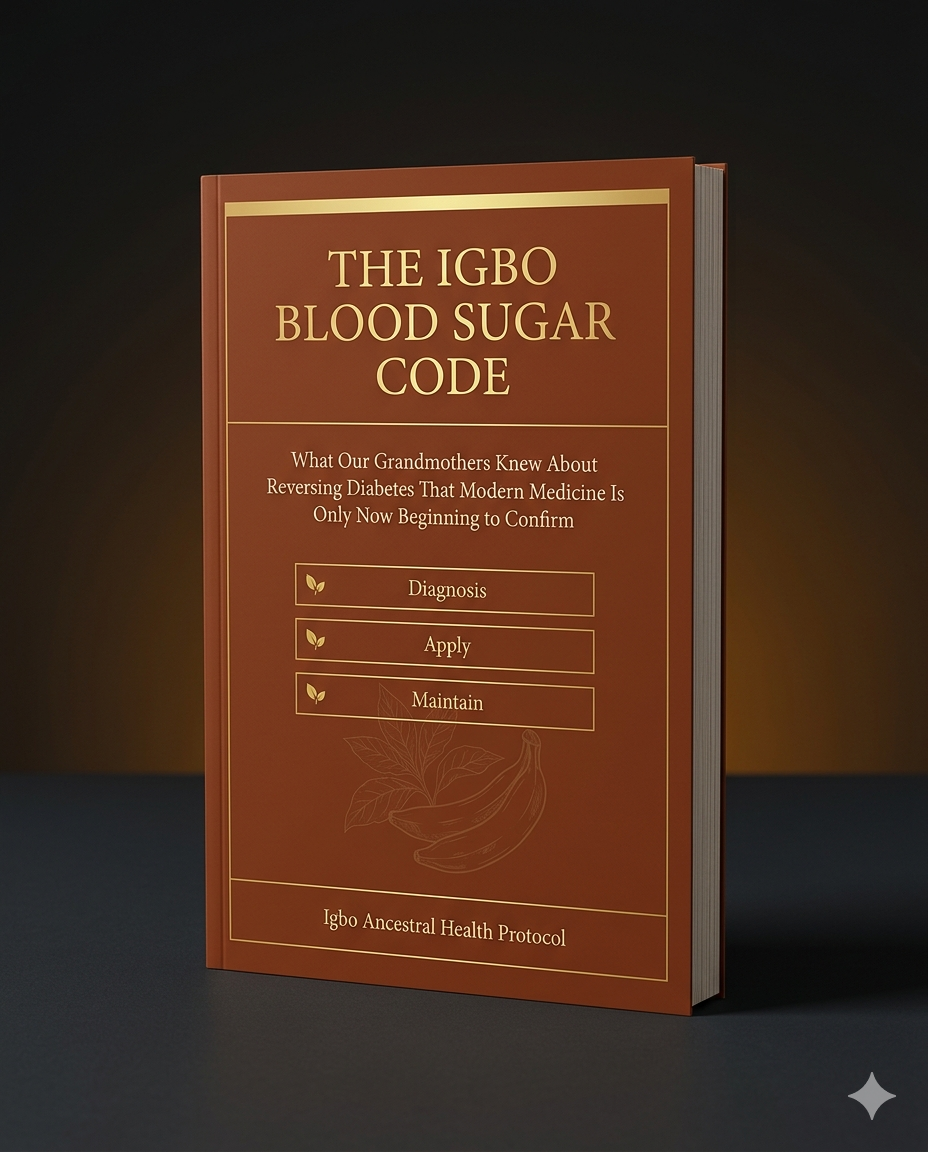
The Igbo Blood Sugar Code
What Our Grandmothers Knew About Reversing Diabetes That Modern Medicine Is Only Now Beginning to Confirm
Inside this e-guide, you'll discover:
The "Morning Reset" drink many Igbo households quietly relied on long before anyone used the word "diabetes" — Pg. 4
The 3 everyday Nigerian foods most diabetics are told to avoid completely — and the simple preparation changes that may help them fit back into your meals — Pg. 8
The Igbo Food Traffic Light Chart — a one-page reference showing your everyday staples sorted into "eat freely," "eat wisely," and "approach with care" — Pg. 12
The 21-day daily rhythm — exactly how to structure your meals, soups, and snacks across three weeks, the same structure Mama Ngozi used in her own kitchen — Pg. 16
The forgotten leaves and roots our grandmothers used — what they are called in Igbo and in English, where to find them, and how to prepare them properly — Pg. 24
A simple weekly market shopping list — built for Nigerian open markets, not foreign supermarkets — Pg. 30
How to talk to your doctor about the changes you're making — so you can work *with* your medical team, not around them — Pg. 33
And the best part? You don't need to throw away the foods you grew up with, spend a fortune on imported "superfoods," or follow a diet sheet that has nothing to do with the way Nigerians actually eat. It is the same approach Mama Ngozi used in her own home — and has now shared, one conversation at a time, with more than a few families in her own community.
Real Readers. Real Feedback.
[This section is reserved for genuine testimonials from real buyers. Replace this placeholder once you begin collecting feedback from people who have used the guide. Do not populate with invented names or quotes — fabricated testimonials for a health-related product can violate advertising regulations and platform policies, and can seriously damage trust if discovered.]
Just So You Know...
Putting this guide together — properly, in a way that does justice to Mama Ngozi's knowledge — was not free. Here is where the cost went:
- Many hours sitting with Mama Ngozi, recording and organising her knowledge in detail
- Research to cross-check traditional knowledge against published nutrition information, in plain language
- Design and layout work to make the guide easy to read and follow on a phone
- Building the food charts, shopping lists, and 21-day structure from scratch
- Hosting, checkout setup, and ongoing support for buyers
All in, this guide cost roughly N120,000 to put together properly.
We are not going to charge you N120,000.
We won't even charge you N60,000.
Not even N30,000.
In fact, you won't even pay the full N15,000 we originally planned.
For a limited founder launch, your price is:
N15,000
N9,800
This Founder Launch Price Is Only For the First 250 Copies — So Don't Wait!
Wait! There's More For You...
If you're among the first 250 to grab the founder price, you'll also receive these two bonuses, today only:
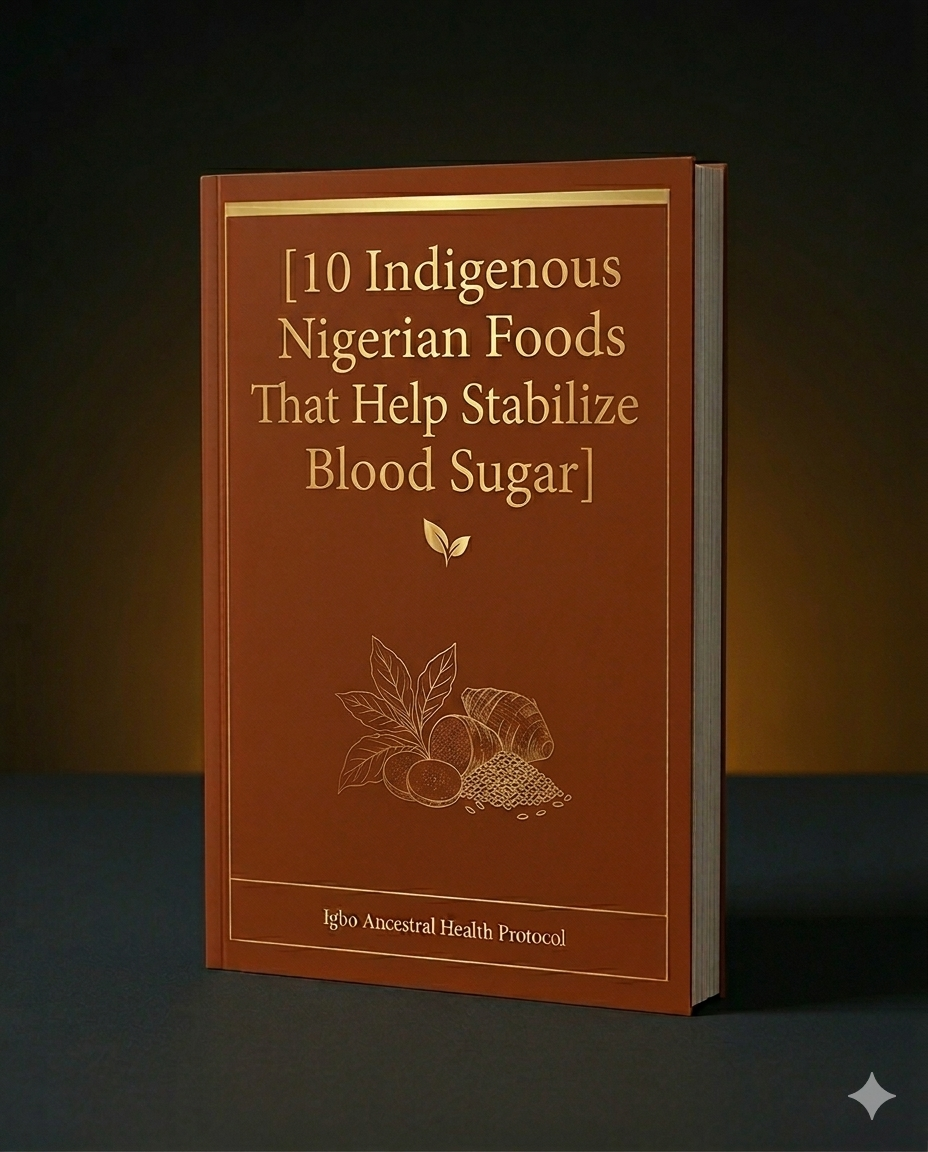
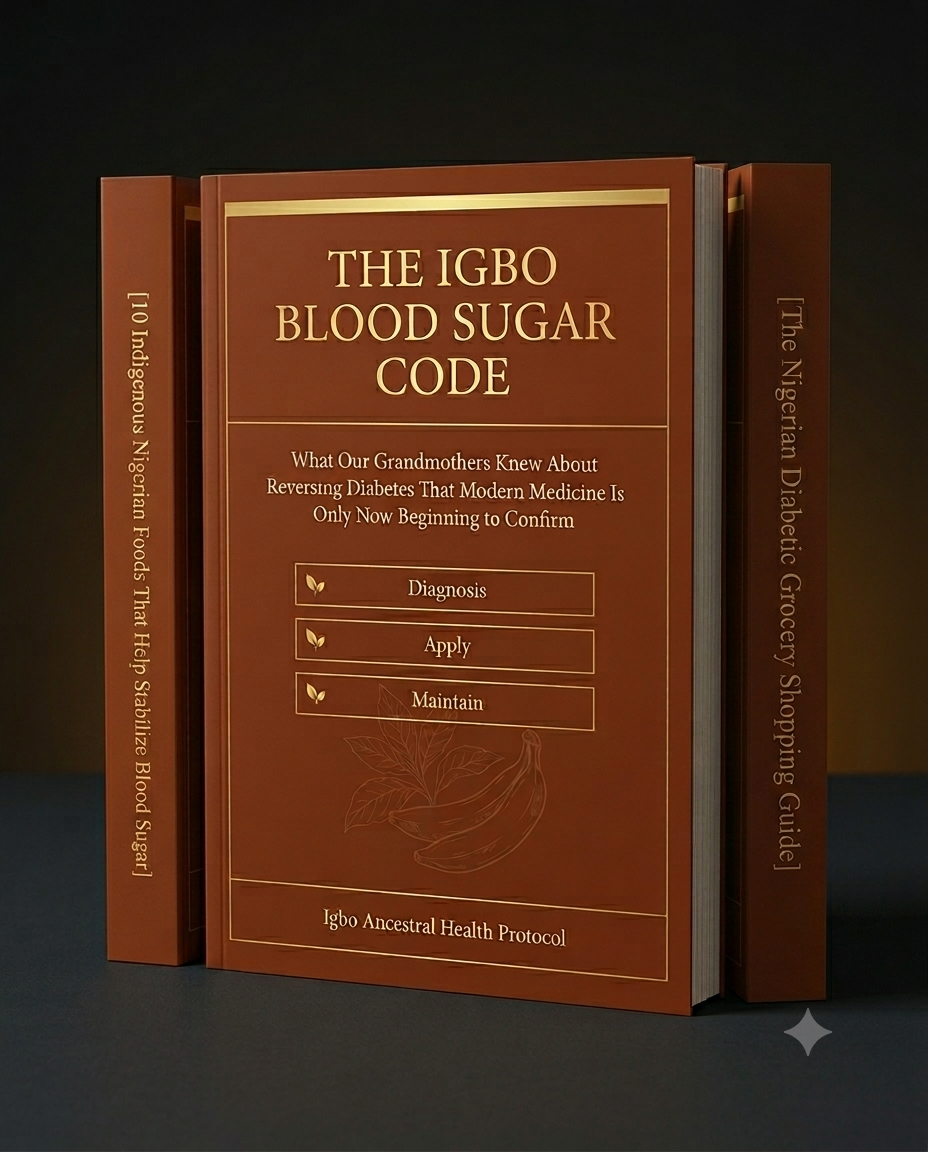
BONUS 1: Indigenous Nigerian Foods for Stable Blood Sugar
A focused reference guide to everyday Nigerian foods and how they fit into a blood-sugar-friendly way of eating.
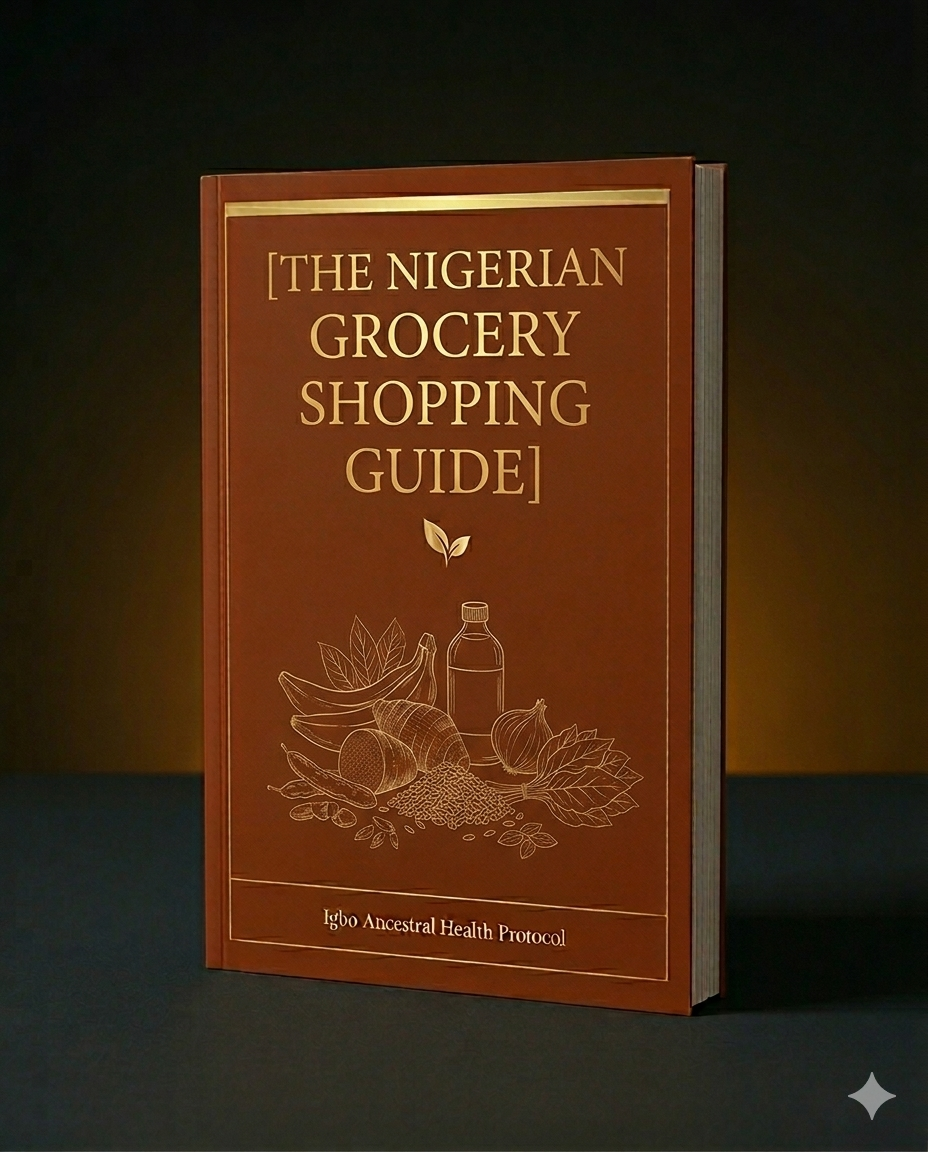
BONUS 2: The Nigerian Grocery Shopping Guide
A practical, printable list to take with you to the market — built around what's actually available locally.
[Optional: If your checkout platform (Selar/Nestuge) provides a real, live sales counter or recent purchase feed, it can be embedded here to show genuine activity.]
Still Feeling Unsure?
I understand completely. Which is why we're making you a simple, risk-free promise:
Read through the guide. Try the approach for yourself. If after 60 days you don't feel it was worth it, just send us an email and we'll refund you in full — no long forms, no awkward questions.
60-Day Full Refund Guarantee.
More From Our Readers
[Reserved for additional genuine testimonials as they come in. Do not populate with fabricated content.]
It Comes Down to Two Choices
Option 1: Get The Igbo Blood Sugar Code today, start with something familiar, affordable, and rooted in foods you already know — and give yourself the chance to feel steady, energetic, and in control again.
Option 2: Close this page, and keep doing what you've been doing — the same worry, the same restrictive diet sheets that don't fit your life, the same uncertainty about what to eat tomorrow.
Maybe you found this page for a reason. Only you can decide what to do with it now.
The founder price won't last forever.